



Wayne Lawyer Spring 2026, Volume 41, Issue No. 1

Spring 2026 | Volume 41 | Issue No. 1
Circle Moment
at Wayne Law



In This Issue
Wayne State University
Board of Governors
Wayne Law Board of Visitors

Dear Wayne Law Community,
As you know, our former dean, Richard Bierschbach, has officially stepped into the role of President here at Wayne State University. Rick’s tenure as dean was defined by strategic growth, academic excellence, and an unwavering belief in the power of a Wayne Law education. We could not be prouder of Rick and the leadership he continues to provide our broader university.
Transitions inevitably invite reflection. They also invite opportunity.
This year, we celebrated Professor Alan Schenk’s final lecture after six decades of teaching tax law, honoring his remarkable career and his commitment to preserving our law school’s history. We secured the transformative VERDAD grant supporting the Damon J. Keith Center for Civil Rights, and through the Congress 250 campaign, the Carl Levin Center for Oversight and Democracy continues to elevate bipartisan legislative oversight and democratic accountability at a pivotal national moment.
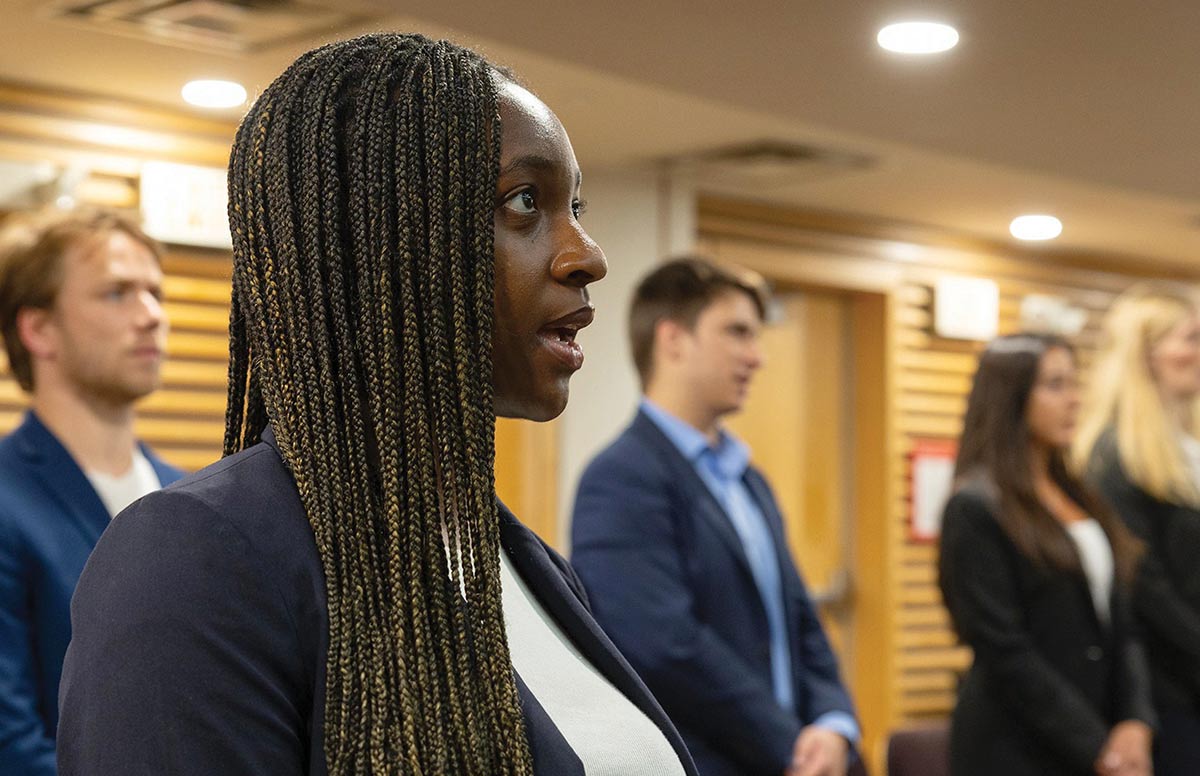

Wayne Law clinics, programs put legal education to work for the community
Under the supervision of experienced faculty leading the clinics and programs, students work directly with clients on real legal matters, often serving people who might otherwise struggle to access legal help. Reflecting both diverse community needs and student interests, the clinics and programs span multiple areas of law—including business, civil rights, immigration, real estate, housing, criminal law, and more.
A Legacy of Service: Wayne Law Alumnus Abdeen Jabara Endows Scholarship to Empower Future Leaders
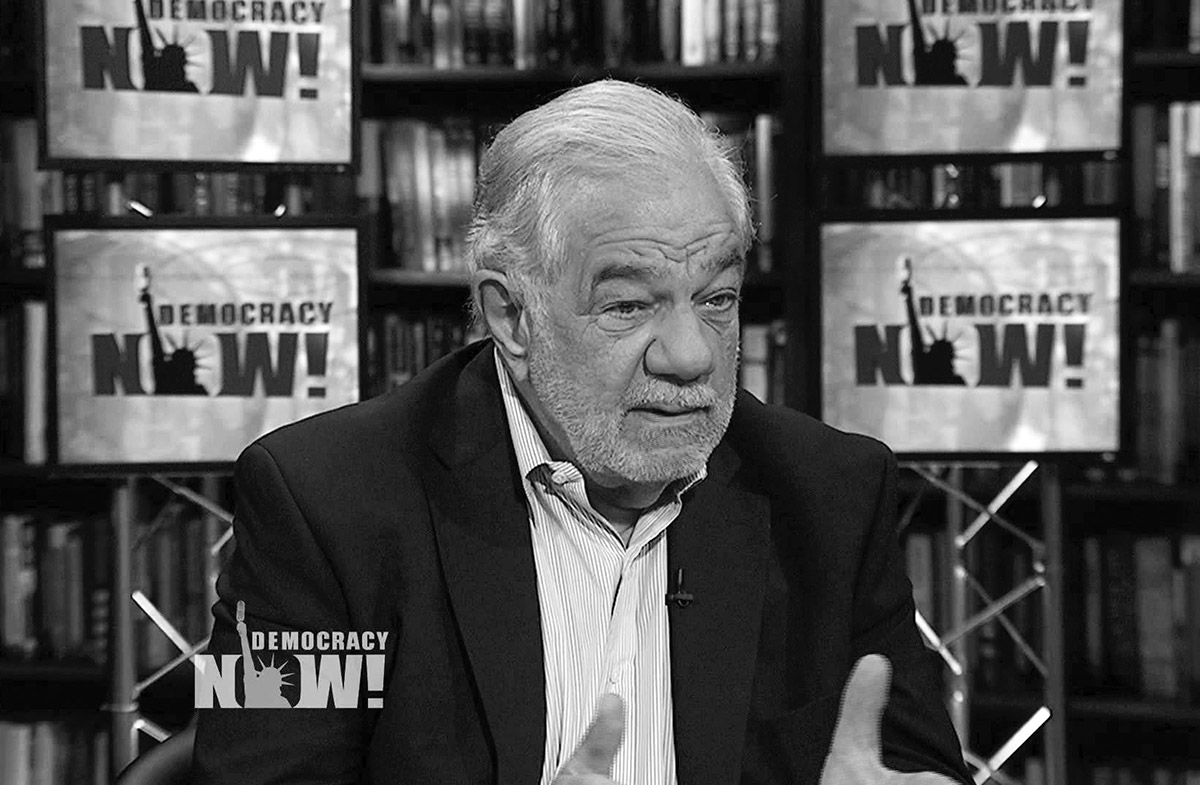
Rooted in an Immigrant Story and a Deep Love for Michigan
He traveled by horse-drawn wagon to Beirut, boarded a ship that carried him through Europe, and eventually reached the United States. He settled in Boyne City, Michigan, where the booming lumber industry had created a strong railroad presence. The rail lines were essential for transporting lumber and iron ore, and they offered steady jobs to newly arrived immigrants. Through a network of family connections, he met Jabara’s mother, whose family had settled in North Dakota. After connecting in Minnesota, the pair moved to Michigan and raised seven children.
Alan’s Full Circle Moment

As Wayne Law’s business curriculum expanded, responding to the needs of Michigan’s growing firms, Schenk’s own courses evolved. Alongside a colleague, he helped develop a Business Planning course designed to equip students with practical tools for the transition into practice. When the American Bar Association later mandated skills training and clinics, he observed how the profession’s expectations shifted back into the law school curriculum—transforming legal education nationwide.
MacArthur Foundation awards $350,000 to Damon J. Keith Center to expand artificial intelligence radio disinformation tool
This grant will fund major enhancements to the platform, including better detection that integrates real-time fact-checking, data export tools for researchers and journalists, trending analysis to spot emerging disinformation across regions, and features to track published stories using the platform. The grant will also expand VERDAD’s reach beyond its current 14 states and add the capacity to monitor stations in Arabic, Haitian Creole, and Vietnamese.

Meet Charles “Chip” Brower, Distinguished Service Professor
Before coming to Wayne Law, I was Croft Professor of International Law at the University of Mississippi for fourteen years. Initially, I chose to move to Wayne and to Michigan because I wanted my daughter to live in a community where she would have a wider range of opportunities. Also, I knew Wayne Law was a place that takes both teaching and scholarship seriously. In addition, I was excited to become part of a legal community where I could make a difference, as I have through my work at Miller Canfield.
Congress 250: Lessons about Representative Democracy that Resonate Today
This year, the Levin Center joins Americans celebratng our country’s 250th birthday by leaning into the values that fueled our revolution and our march toward democracy. In what we are calling “Congress 250,” the Levin Center embarks on a year-long effort to tell the story of Congress’ journey to deliver democratic representation—from the American Revolution to the present.
At a time when Congress has some of the lowest approval ratings ever, we will hold up Congress’ history to reveal its role in delivering, however imperfectly, on America’s founding promise of democratic representation—that is, the opportunity to be heard and represented in the rooms where public power is wielded.

We celebrate our founding knowing that many Americans have grown so frustrated with our government that they are drawn to the promises of demagogues who would undo much of what our revolution built. Colonial Americans waged war to win their independence because they felt unheard by the British Parliament; many Americans today feel ignored by a Congress that fails to take seriously their problems or its own power. The public’s anger and Congress’ inaction together are a mutually reinforcing threat to our representative democracy.
We want to use Congress 250 to provide information and programing that reminds us of what Congress can accomplish when it accepts the responsibilities and authority it has to represent the interests of the American people. Each Friday we will publish a fact—a “Friday Fact”—about Congress that reminds us of its pivotal importance to our government and our democracy. Congress 250 will also feature panel discussions and other events aimed at illuminating how Congress has evolved from 1774 to the present.

Lisa J. Hamameh, Wayne Law Alumna, Appointed 91st President of the State Bar of Michigan
A distinguished municipal law attorney and accomplished public servant, Hamameh brings decades of legal expertise and a strong commitment to the profession to her new role. She began her legal career immediately after graduating from Wayne Law, joining the State Bar of Michigan in 2000. Since then, she has served in leadership and legal advisory roles across numerous municipalities and has been a shareholder at Rosati, Schultz, Joppich & Amtsbuechler.
Hamameh’s leadership reflects the values championed by Wayne State University Law School: dedication to public service, commitment to justice, and service to the community. Her appointment marks another milestone in the law school’s legacy of graduates shaping Michigan’s legal landscape.
Law School Team Advances to the Top 3% Worldwide at International Competition
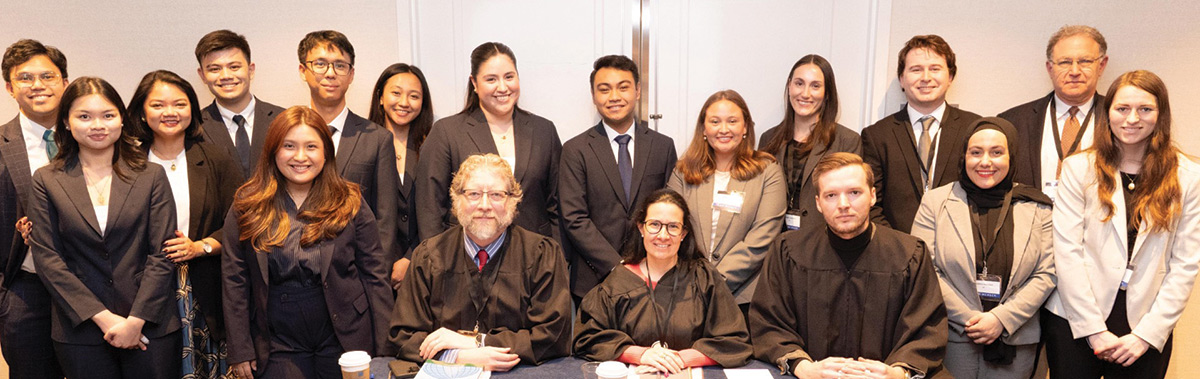
Building on that momentum, Wayne Law continued its success on the global stage in Washington, D.C., going 4-0 in the international preliminary rounds against an impressive slate of competitors. Their strong performance advanced them to the highly competitive Round of 64, placing them among the top 55 teams worldwide to reach the elimination stage.
In the knockout rounds, Wayne Law secured a second standout victory over the University of Oxford and advanced to the Round of 32. There, the team faced Ateneo de Manila University in a closely contested match. While their run concluded at that stage, their advancement to the Round of 32 solidified their position among the top-performing teams in the world. Ateneo de Manila University, their final opponent, went to the tournament’s final championship round.
Class Notes
John Obee ‘78 has co-authored his second book on the Mississippi Civil Rights Movement, Mississippi’s Black Cotton, published by the University of Georgia Press. The work features an introduction by Nikole Hannah-Jones and continues his scholarship on civil rights history.
Kenneth R. Chadwell ‘86 was named a 2026 Top Lawyer by DBusiness magazine in the area of Criminal Defense: White-Collar. Chadwell is an attorney in Plunkett Cooney’s Detroit office.

Significant philanthropy requires thoughtful planning. While cash gifts are always welcome, they may not be your most strategic option. Our development team has expertise in maximizing impact through appreciated securities, donor advised funds and qualified charitable distributions for donors over 70.5. We’ll handle the complexity so you can focus on the impact.
How to Get Involved
Volunteer:
law.wayne.edu/alumni/volunteering
Law Alumni Events:
events.wayne.edu/law-alumni
Raising the Bar (Monthly Alumni Newsletter):
law.wayne.edu/alumni/raising-the-bar
How to Donate
Online: give.wayne.edu/campaigns
By Mail, using the envelope located in the centerfold