

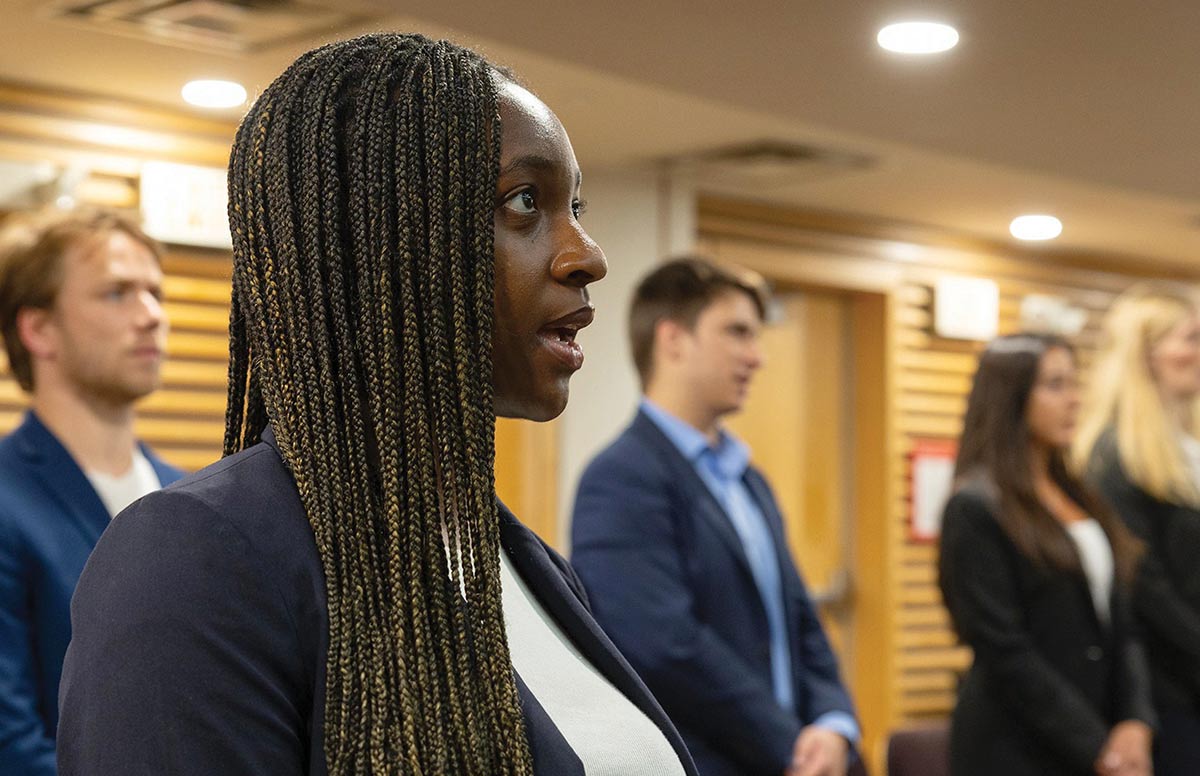

Wayne Law clinics, programs put legal education to work for the community
Under the supervision of experienced faculty leading the clinics and programs, students work directly with clients on real legal matters, often serving people who might otherwise struggle to access legal help. Reflecting both diverse community needs and student interests, the clinics and programs span multiple areas of law—including business, civil rights, immigration, real estate, housing, criminal law, and more.
of clients through
the clinics
date by the students in
the program
have their civil
legal needs met
Clinics
Through the Appeal and Post-Conviction Advocacy Clinic (APAC), students partner with Michigan’s State Appellate Defender Office to represent individuals challenging felony convictions or sentences in state and federal courts, gaining experience in appellate and post-conviction litigation while working on cases with life-altering consequences.
students represent Michigan residents seeking immigration relief, including asylum, family-based petitions, and humanitarian protections. The clinic serves asylum seekers and immigrants navigating a complex legal system—particularly those facing removal—and works closely with community organizations to share information about immigrant rights. Students assist clients with bond proceedings, visas, family reunification, and related matters. The Immigration Appellate Advocacy Clinic further supports noncitizens who have been ordered deported or whose claims have been denied by preparing and filing appeals.
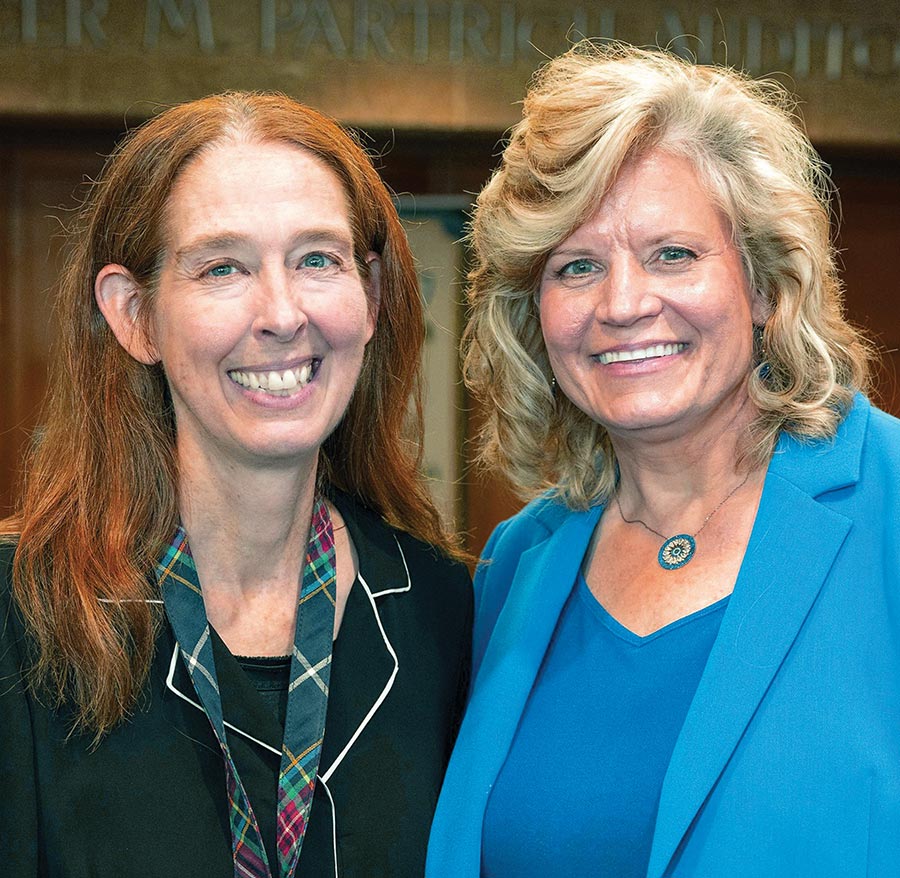
Economic stability and neighborhood vitality are the focus of the Business and Community Law Clinic, which provides transactional legal support to small businesses, startups, and nonprofit organizations. Students assist with business formation, governance, compliance, intellectual property agreements, and tax-exempt status, helping organizations build a strong legal foundation. For community partners like the Perry Outreach Center in southwest Detroit, that support can be transformational.
“For us and probably for others who are under resourced, the clinic was a lifeline,” said Tracey Patterson, president of the Perry Outreach Center, which worked with the clinic while transitioning from a food pantry to a broader community service organization in 2023. “We would not be able to continue to exist without their legal help to make us an independent organization.”
Students in the Community Advocacy Clinic collaborate with grassroots organizations and coalitions to advance community-driven initiatives and policy goals. Each semester, the clinic centers on a different issue, with past projects addressing local government transparency in Detroit, civilian oversight and policing practices, and education and legal resources related to cancer.
Health-related legal needs are addressed through the Legal Advocacy for People with Cancer Clinic, a medical-legal partnership with the Barbara Ann Karmanos Cancer Center. Students assist cancer patients with challenges related to insurance coverage, housing, employment, life planning, and access to public benefits, helping reduce the legal stressors that can complicate medical treatment and recovery.

trusted support, delivered with care and professionalism.

Experiential Learning Programs
The Student Pro Bono & Public Interest Program connects students with nonprofits, legal service providers, attorneys, and community and government organizations offering free or reduced-fee legal services, reinforcing the profession’s responsibility to serve. To date, the students in the program have contributed more than 13,000 hours of pro bono legal services.
Housing stability is a central focus of the Warrior Housing Corps, where students provide legal assistance to tenants in housing court by staffing eviction dockets, drafting pleadings, negotiating resolutions, and conducting door-to-door outreach.
Students also help community members clear barriers to employment and opportunity through the Expungement Navigators Program, which assists individuals seeking to remove eligible criminal records from public view. Launched as part of the College to Career pilot projects, the program partners with community organizations to host expungement fairs, offering guidance on the legal process and connecting participants with legal resources.
Together, these clinics and programs reflect the mission of Wayne State University Law School to pair rigorous legal education with meaningful community impact—ensuring students graduate not only with practical skills, but with a deep understanding of the law’s power to serve the public good.