

A Decade of Oversight: The Levin Center Celebrates 10 Years of Strengthening Democracy
The Power of Oversight
Legislative oversight, the constitutional duty of Congress and state legislatures to investigate and examine government actions, became Levin’s hallmark. Today, the Center that bears his name continues that mission, ensuring that lawmakers across the country have the training, resources, and bipartisan spirit needed to conduct effective, fact-based investigations.
Aligning closely with Wayne State University’s Year of Focus theme, “Dialogue and Discourse in Divisive Times,” the Levin Center has promoted civic dialogue, respect across party lines, and the pursuit of truth. As Townsend explained, “At the Levin Center we work to equip lawmakers in Washington, D.C., and across America with the tools and know-how to bring facts to light for the benefit of all.”
Four Pillars of Impact
- Oversight Training for Lawmakers: Through its intensive oversight boot camps and workshops, the Center has trained more than 500 congressional staffers since 2017. The State Oversight Academy (SOA), launched in 2023, now provides oversight training for legislators in nearly every state, offering the nation’s most comprehensive oversight wiki.
- Civic Education: The Learning by Hearings curriculum, introduced in 2024, engages high school students with historic congressional investigations to teach the principles of truth-seeking and integrity in public life.
- Research Resources: The Congressional Oversight Records Database (CORD), now home to over 1,500 oversight reports, gives scholars and the public unparalleled access to primary documents that illuminate how Congress holds power to account.
- Scholarship and Debate: Through fellowships, awards, and public events, the Levin Center fosters scholarship on oversight and good governance, ensuring that the next generation of leaders understands both the practice and philosophy of democratic accountability.
Provost Laurie M. Lauzon Clabo praised the center’s achievements: “For 10 years the Levin Center has provided critical training, resources, and education that support and sustain effective democracy. Housed in Wayne State’s Law School, the Levin Center lives out the Wayne State mission of advancing knowledge to positively impact our communities.”
Marking a Milestone
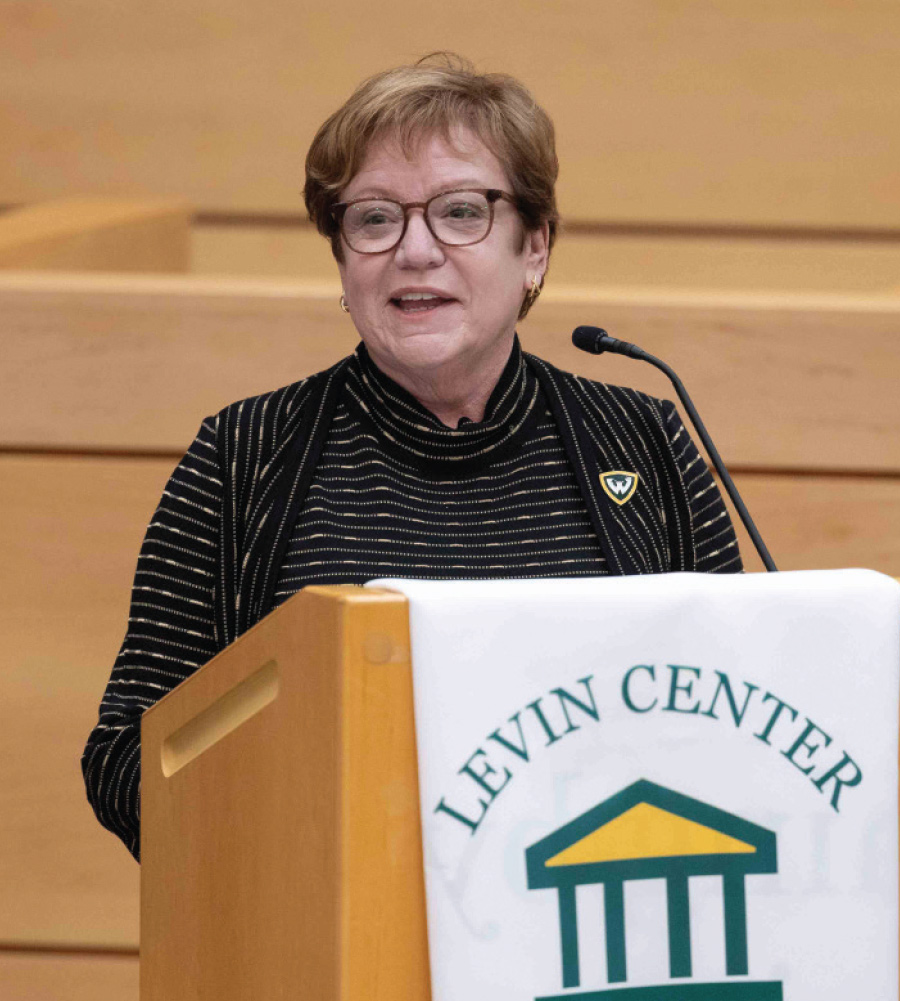
On March 5, 2025, the Center hosted an open house and buffet lunch to celebrate the signing of its charter in 2015. The event brought together faculty, students, alumni, and friends to honor Senator Levin’s enduring influence and to recognize the many hands that have carried his mission forward. Provost Clabo delivered remarks emphasizing the Center’s alignment with Wayne State’s core values of integrity, community engagement, and knowledge in service of the public good. John Mogk, Distinguished Service Professor at Wayne Law and chair of the Levin Center’s faculty advisory committee, reflected on how Levin’s vision took root at Wayne and flourished into a nationally recognized institution.
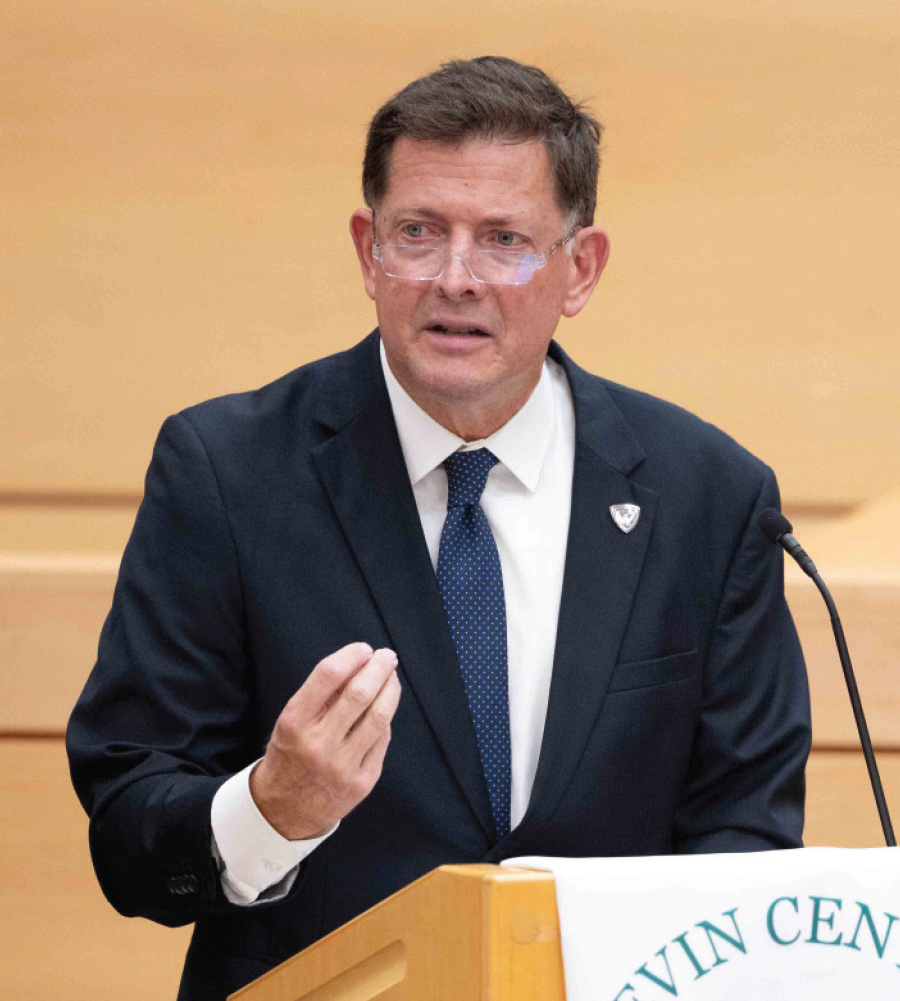
Director Jim Townsend shared stories from the Center’s early days and previewed upcoming initiatives, including the continued growth of the State Oversight Academy and the expansion of the Learning by Hearings program. The gathering served as both a reunion and a reaffirmation, celebrating how a small idea at Wayne Law became a vital force for democratic accountability nationwide.
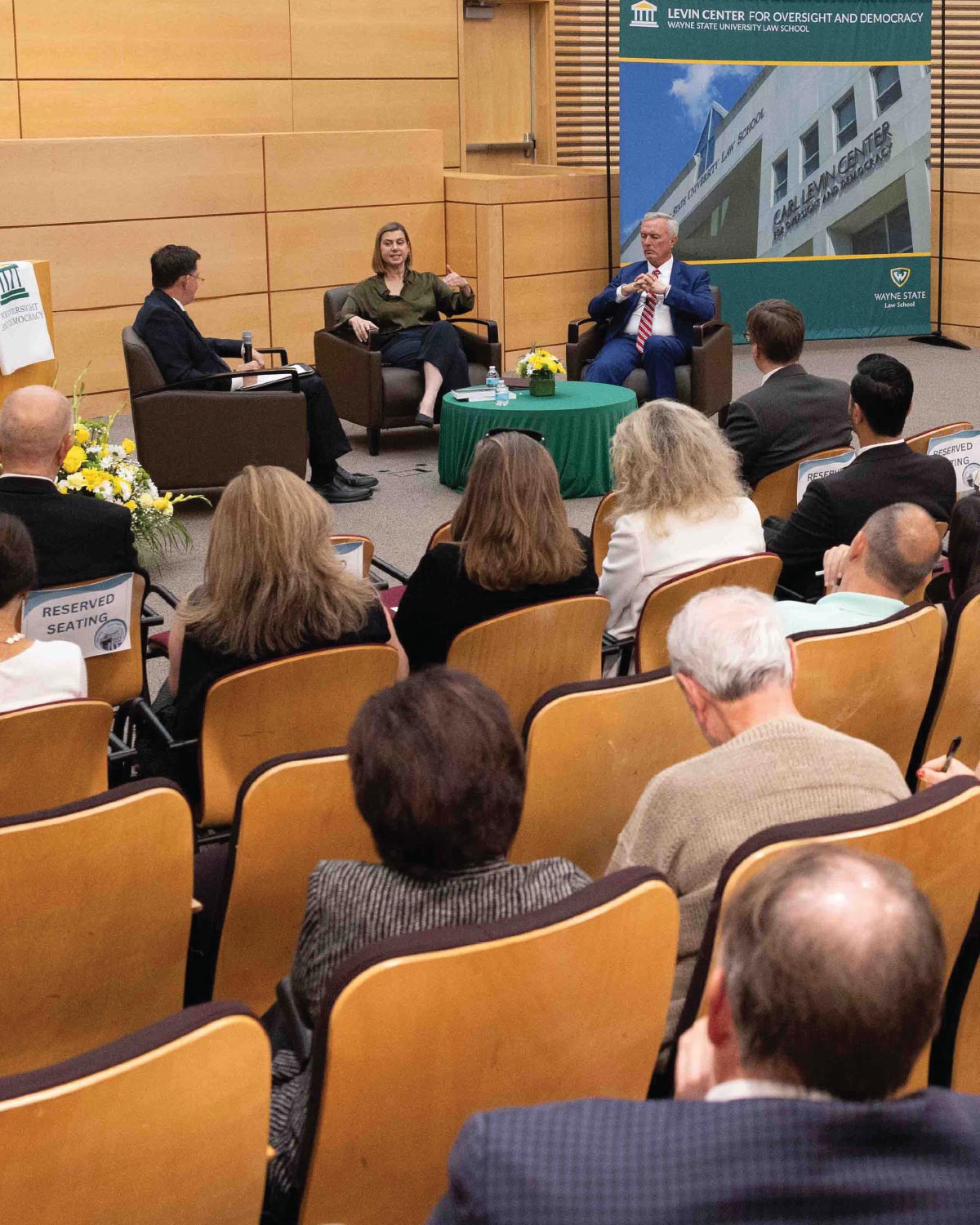
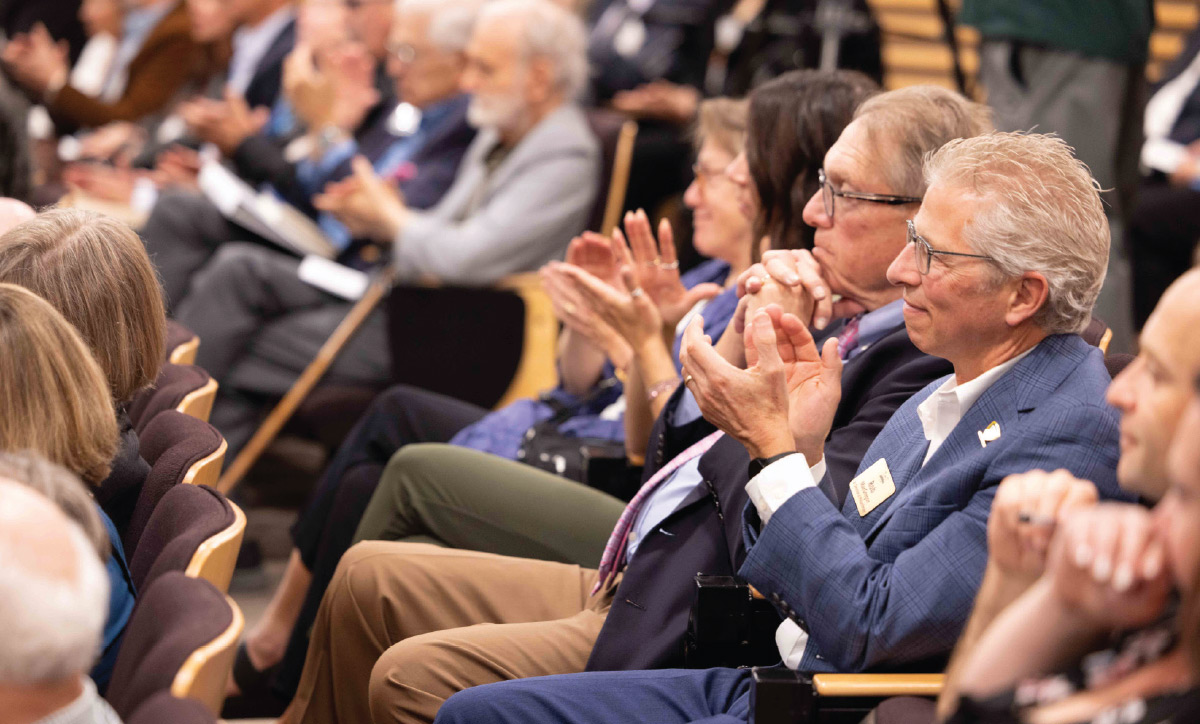
In September, the celebration culminated in a major evening event titled “What Would Carl Levin Do? The Rise of Authoritarianism.” Hosted at Wayne State, the program drew lawmakers, scholars, students, alumni, and civic leaders from across Michigan to explore the Center’s impact over the past decade and the ongoing importance of fact-based, bipartisan oversight.
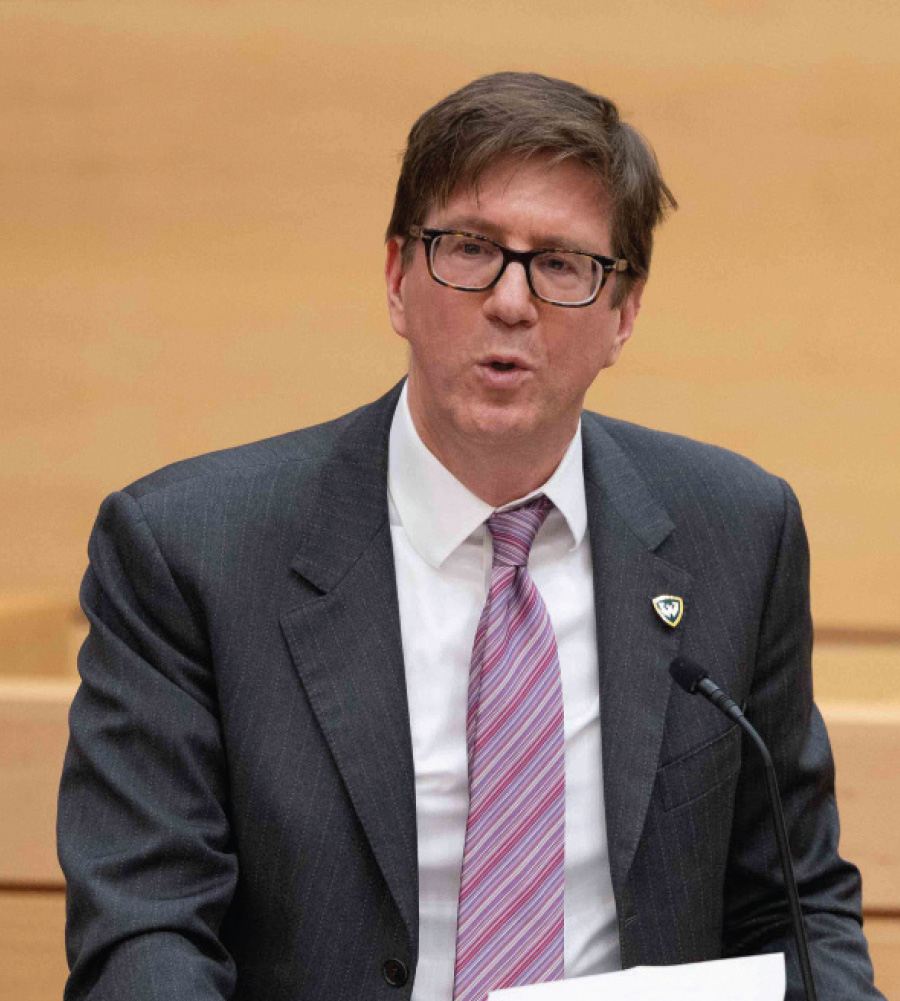
Provost Laurie Clabo opened the evening by tracing the Levin Center’s founding back to Senator Levin’s vision, while Dean Richard Bierschbach reflected on how the Center has grown into a national leader in oversight education and research. Townsend presented videos highlighting the Center’s achievements and the people who make its mission possible.
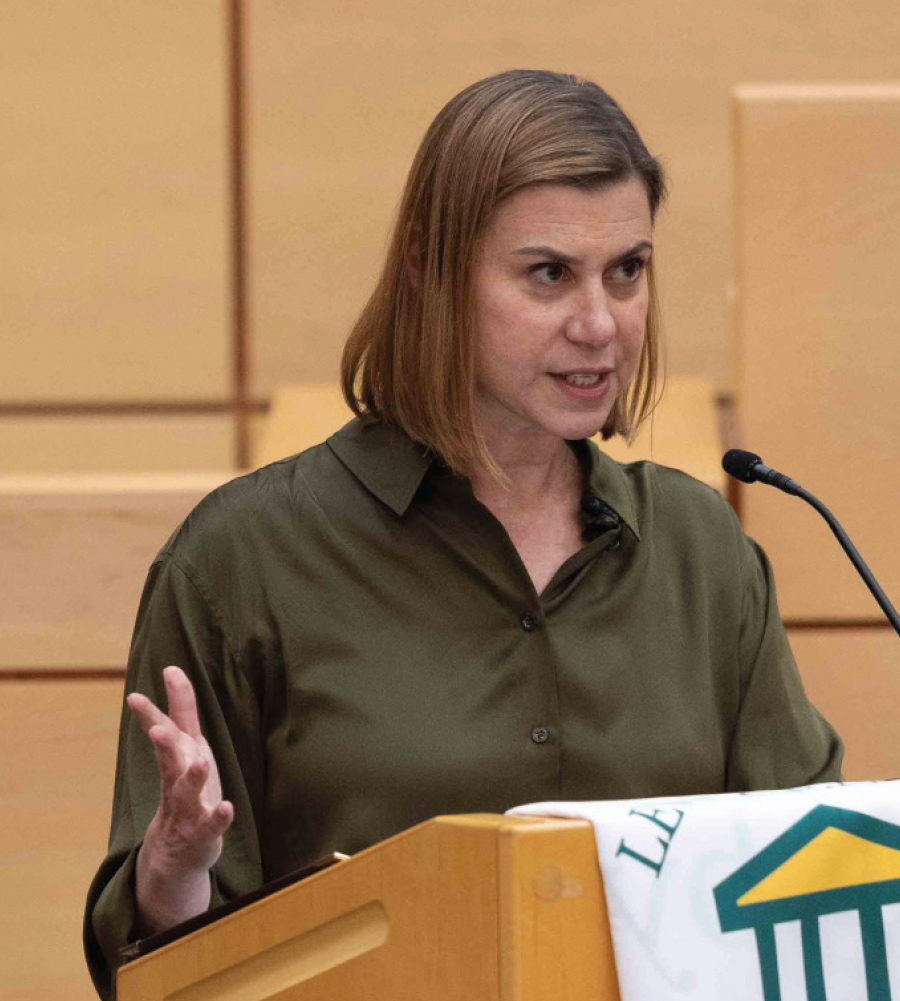
The keynote address was delivered by U.S. Senator Elissa Slotkin, who spoke passionately about oversight as both a patriotic duty and a cornerstone of democracy. “Questioning power is not some sort of deficit,” Slotkin said. “It is patriotism. It makes our policies stronger and more durable.”
Slotkin was joined by former U.S. Representative John Katko for a panel discussion on Congress role in restoring public trust. Together, they reflected on the challenges of bipartisanship, the dangers of hyper-partisanship, and the need to engage the next generation in civic life. Katko emphasized integrity in leadership, adding, “Public service is doing the right thing when it’s really tough, and especially when no one’s looking.”
The Road Ahead
Ten years on, the Levin Center is not just preserving Carl Levin’s legacy. It is expanding it, ensuring that oversight remains a living force for good governance and a safeguard for democracy itself.
As the Center looks to its next ten years, its mission remains as vital as ever: to strengthen and renew democracy by helping government work for the people. “In just a decade, the Levin Center has become the country’s foremost authority on oversight,” Townsend concluded. “We think Carl Levin would be proud — but we’re only just getting started.”